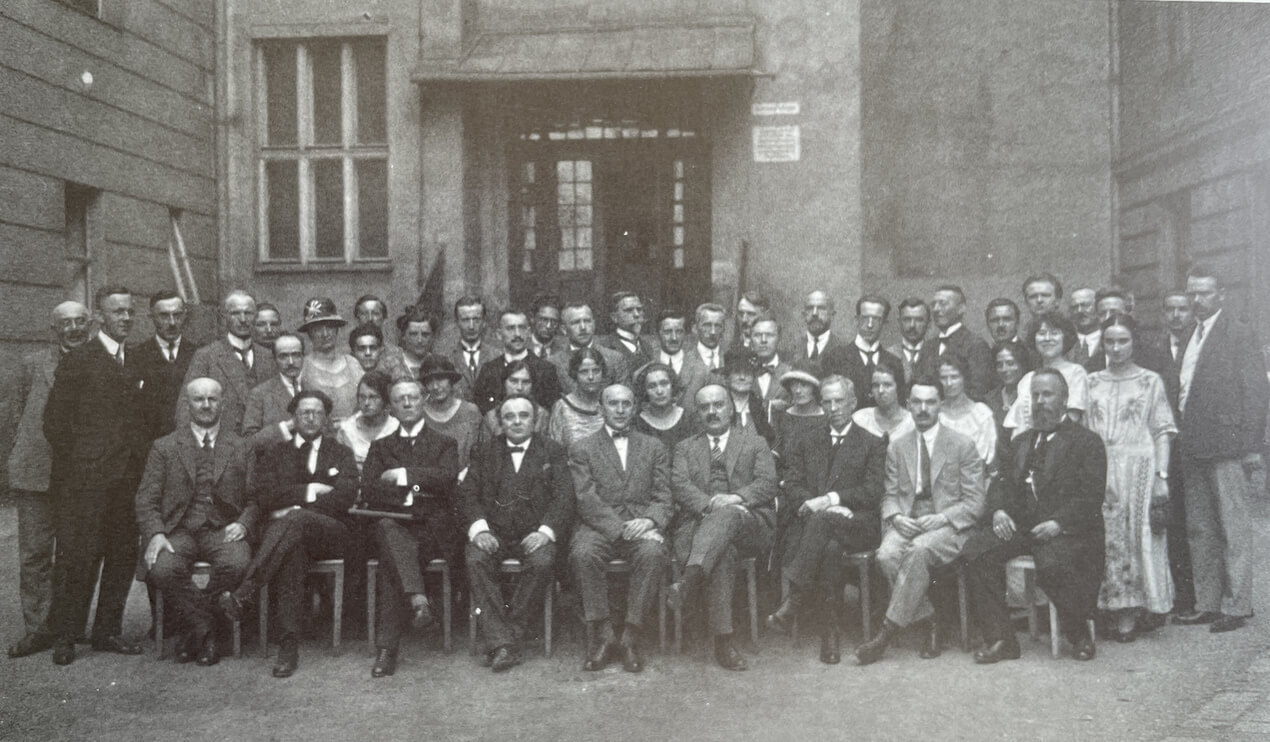
Emil Froeschels decided to hold the 1st International Congress of Logopedics and Phoniatrics in Vienna and founded the Gesellschaft fuer Logopaedie und Phoniatrie (IALP) with him as President and Hugo Stern as Secretary.
The International Association of Communication Sciences and Disorders (d/b/a IALP) is the non-profit worldwide organization of professionals and scientists in communication, voice, speech language pathology, audiology and swallowing.
The organization, formerly known as International Association of Logopedics and Phoniatrics (IALP) was founded in 1924 by Emil Froeschels in Austria to foster collaboration of all professionals interested in logopedics and phoniatrics throughout the world.
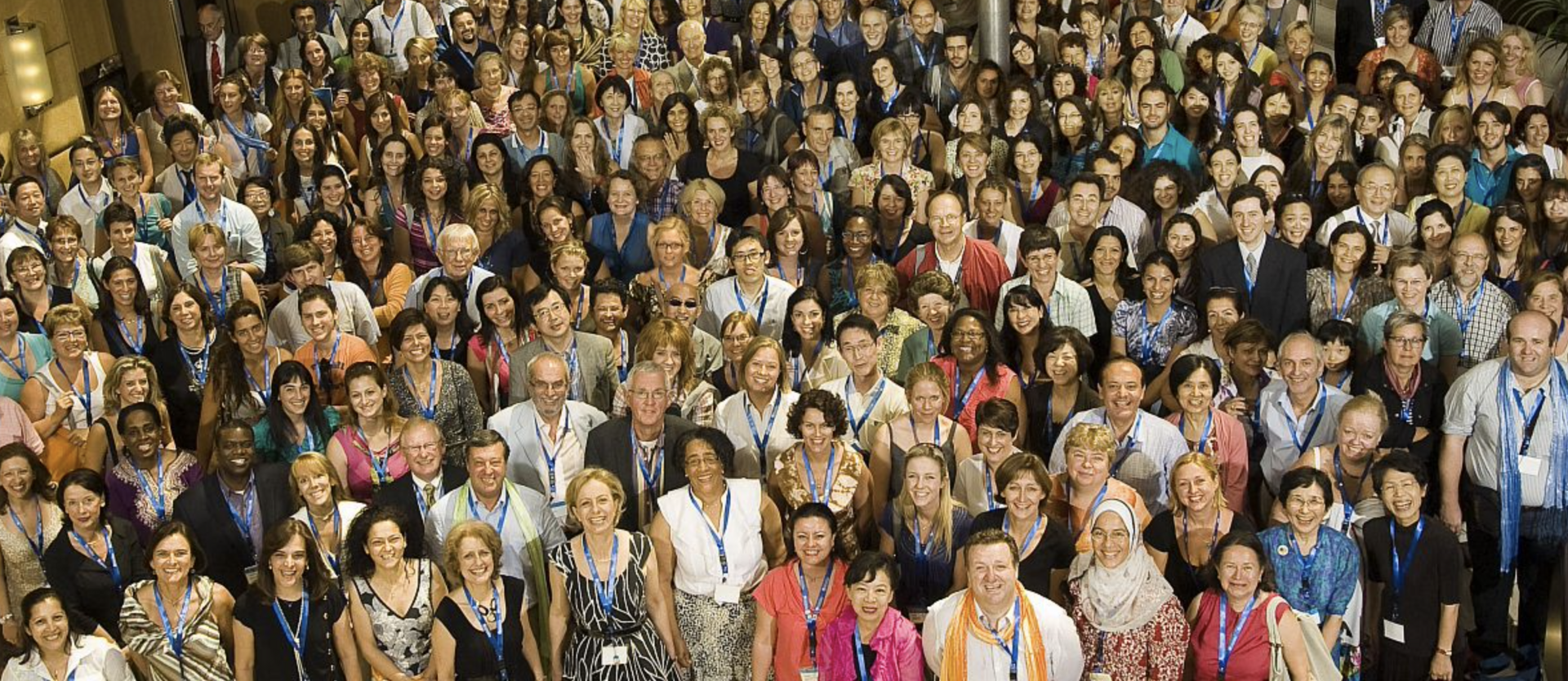
Today, IALP is a global network of more than 300,000 Logopedists, Speech-Language Therapists/Pathologists, Audiologists, Clinical Linguists, ENTs and Phoniatricians in more than 40 countries across the globe.
We at IALP have a global vision to facilitate better understanding, knowledge and care of all those with communication and swallowing disorders.
To improve the quality of lives of individuals with disorders of communication, speech, language, voice, hearing and swallowing.
We strive to:
Emil Froeschels decided to hold the 1st International Congress of Logopedics and Phoniatrics in Vienna and founded the Gesellschaft fuer Logopaedie und Phoniatrie (IALP) with him as President and Hugo Stern as Secretary.
At this Viennese Congress it was proposed that IALP publish an official journal of its own.
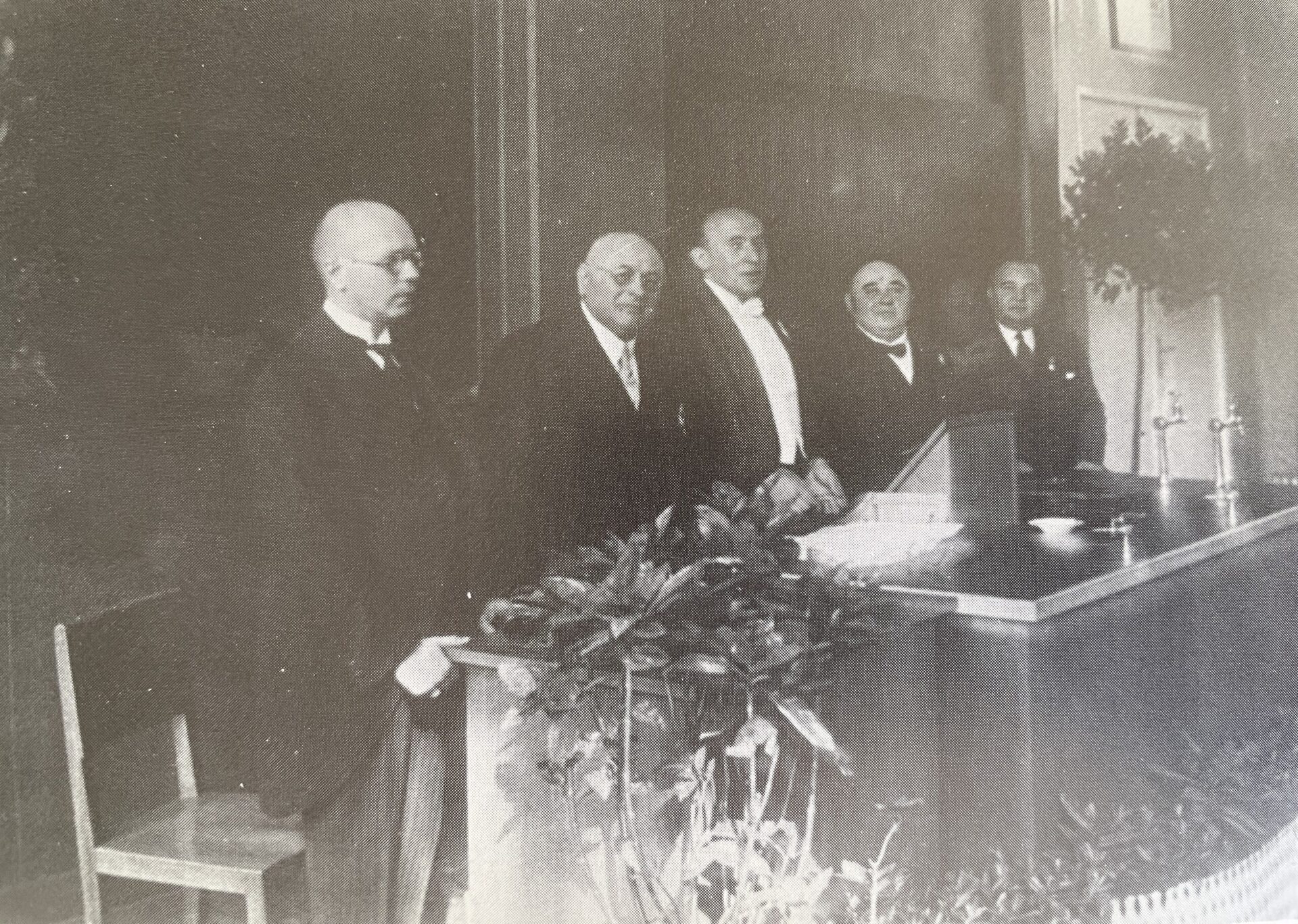
Seeman, Flat, Froeschels and Stern welcomed attendees to the Fourth Congress for the first time out of Vienna in Prague. IALP had become more European.
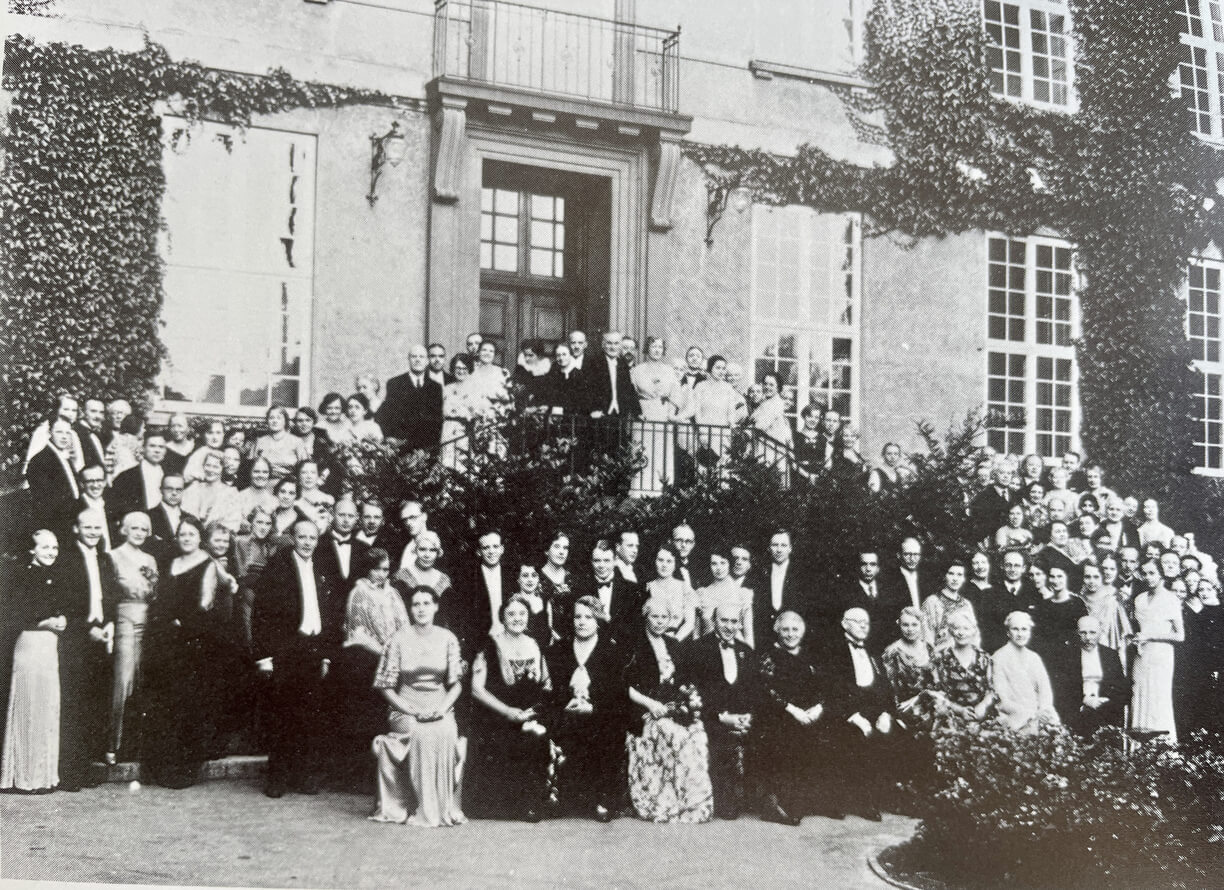
Many of the participants in Copenhagen suspected that many years must pass before
they would meet again, for many it would be their last Congress.
IALP members met in Amsterdam and decided to draft a set of by-laws, to enroll a permanent membership for IALP. Secretary Weiss made initial contacts with WHO and UNESCO.
225 delegates to IALP met in Barcelona. The presence of participants from North and South America, East Europe, Canada, Australia, New Zealand and South Africa made it international.
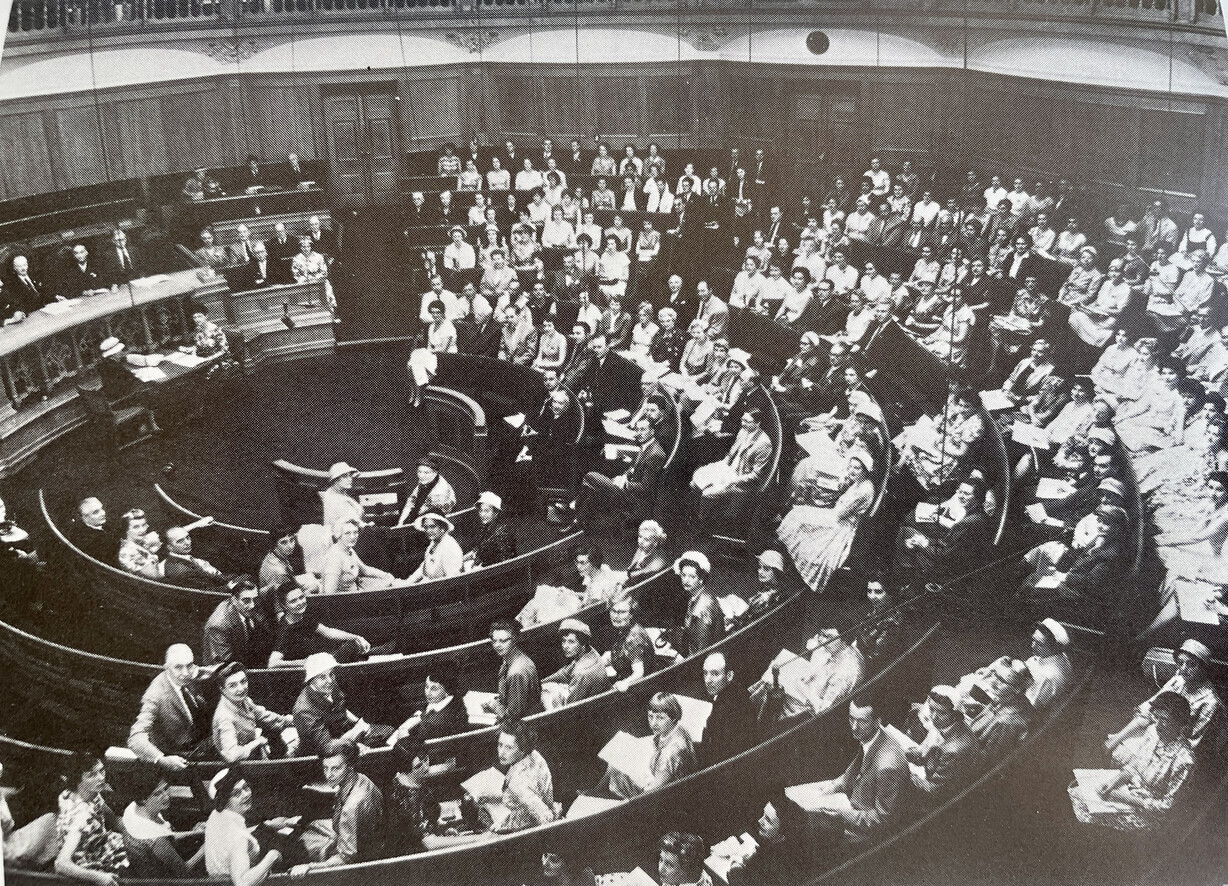
498 participants met on 17-22 August in London. By this time, there were already 15 national associations affiliated with IALP.
In June 1963, IALP obtained official recognition by the WHO and acquired consultation status with the UNICEF. In 1966, the Barcelona artist Josep Artigas designed for emblems for IALP.
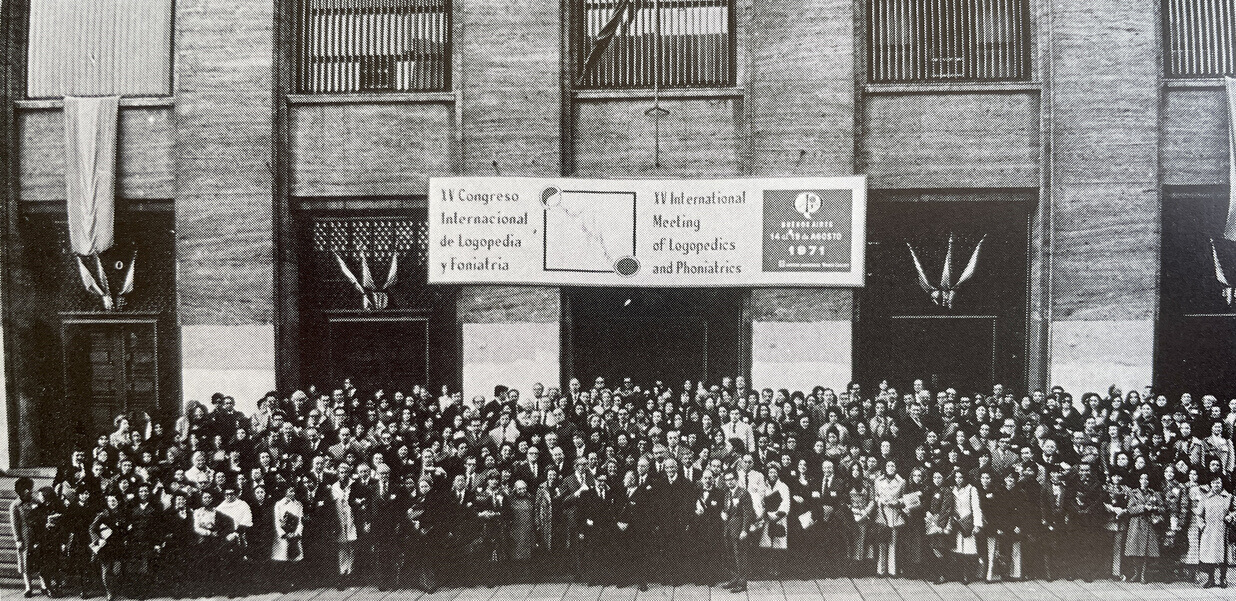
1,400 delegates attended the Congress in Buenos Aires. It was the first time to be conveyed out of Europe. That year, there were 34 national associations affiliated with IALP.
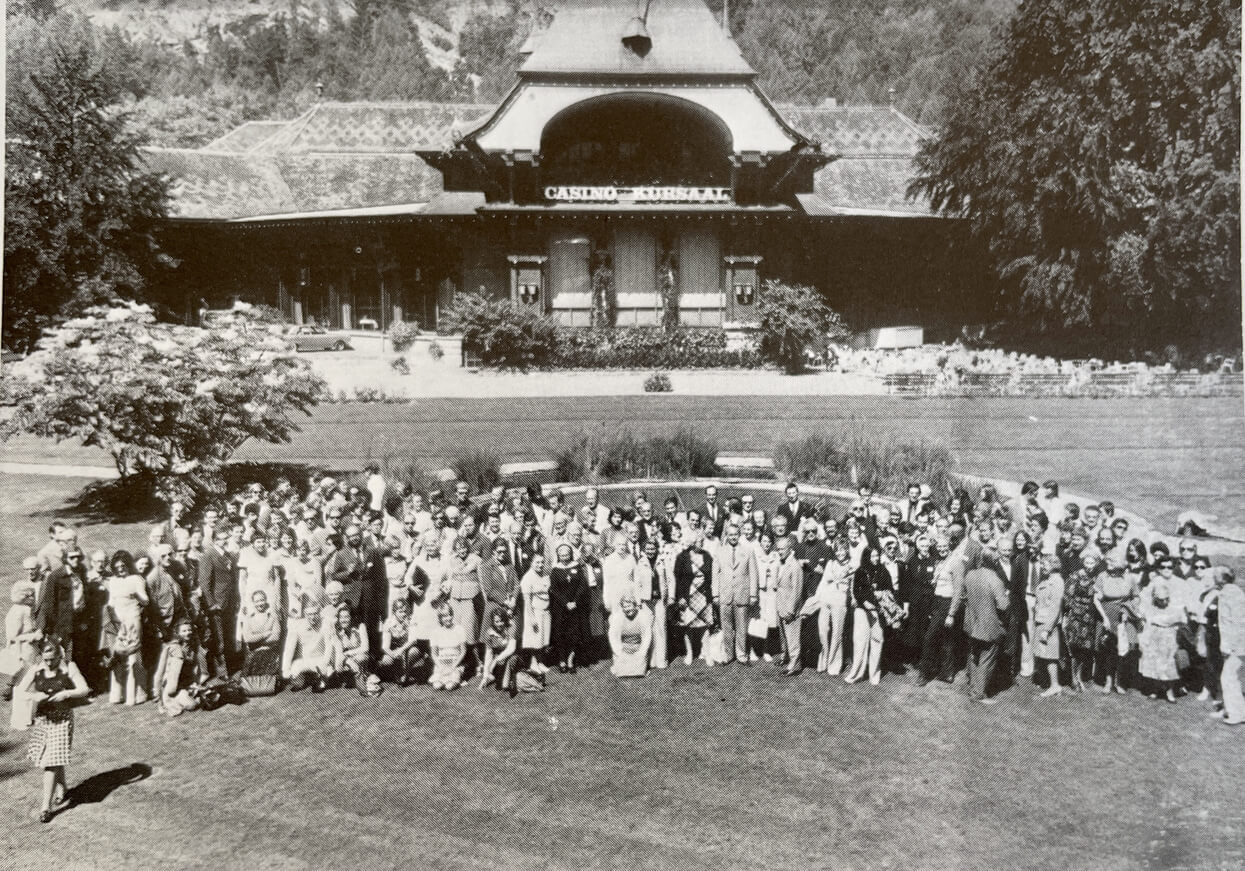
IALP members met at the Casino Kursaal in Interlaken, Switzerland, without outstanding personalities such as Froschels, Gutzmann, Tarneaud and Weiss, who had passed away.
The 17th Congress in Copenhagen welcomed a multitude of new faces. The By-Laws were modified in the sense of not establishing differences respect to race, national origin and religion.
834 attendants from 35 countries met in Washington D.C. counting 41 affiliated societies from 39 countries and 633 individual members.
President Butler and General Secretary Sister de Montfort welcomed 610 attendees to the 20th Congress in Tokyo, where IALP Voice Committee was created.
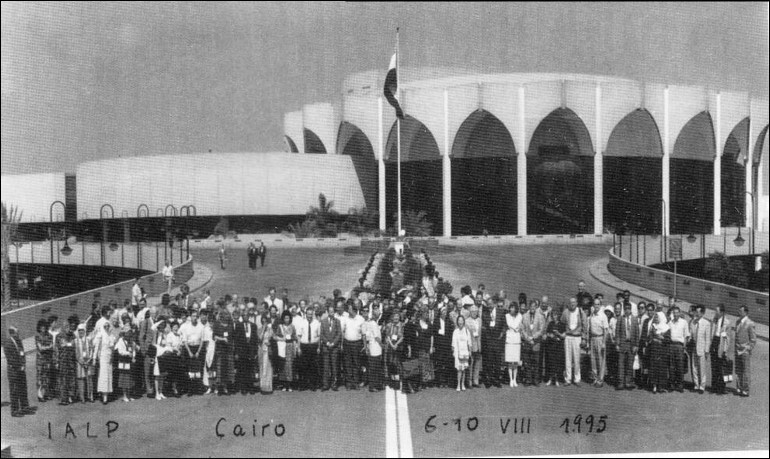
300 participants registered for the Congress in Cairo and represented 53 countries. Prof. Logan set up the new Dysphagia Committee.
The 24th IALP Congress in Amsterdam counted 927 attendees and became the second largest world conference until then. The Multilingual Affairs Committee was established by Dr. Fredman.
The first IALP congress of the new millennium in Montréal offered a program in three languages: English, French, and German.
The 26th Congress in Brisbane showed that IALP had achieved worldwide reputation: 7 bids to host the 2010 World Congress were presented by representatives from different countries.
Prof. Behlau welcomed 746 participants to the 2nd International IALP Composium in São Paulo. The motto was “The one who communicates better wis less violent and suffers less violence from society”.
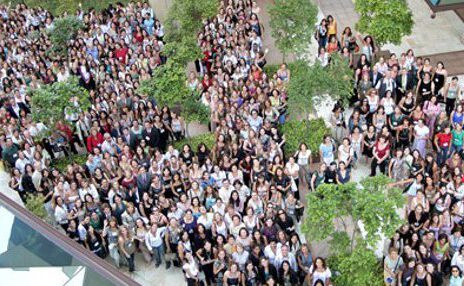
Almost 700 participants from 55 countries attended the 28th World Congress in Athens. IALP celebrated the 60-year partnership with Karger.
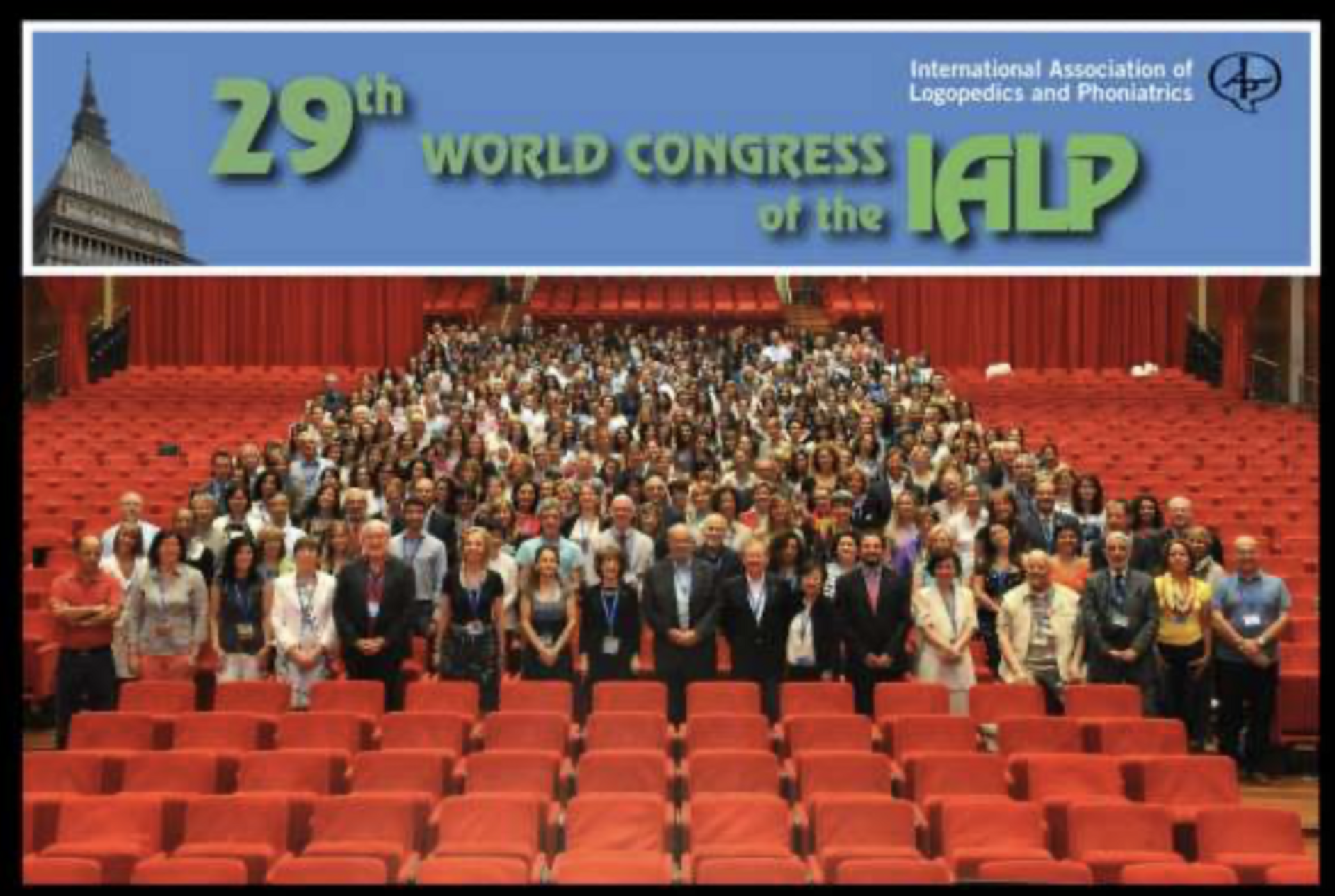
The 29th World Congress of the IALP in Torino was attended by 981 registrants from 59 countries. IALP became signatory of the International Communication Project.
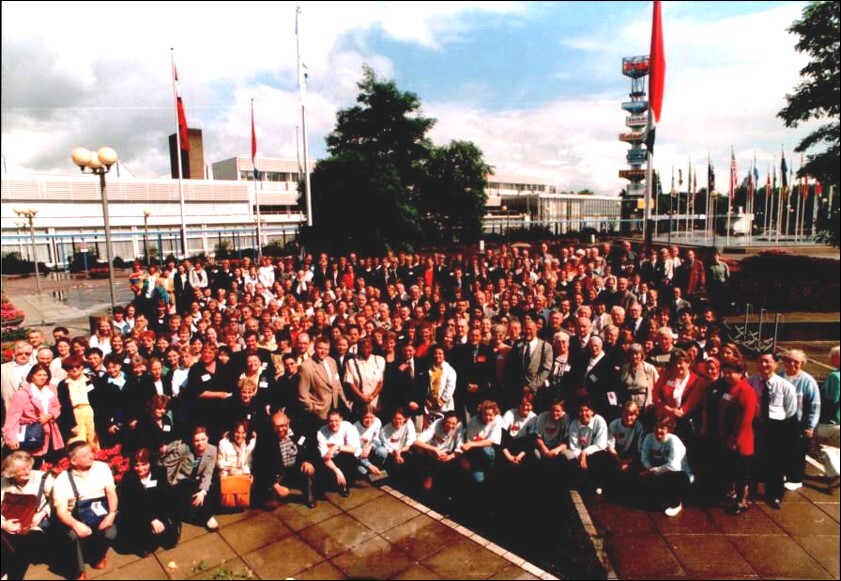
Delegates from all continents attended the 5th IALP Composium on Multilingual and Multicultural Populations focusing on refugees and migrations hosted by Prof. Scharff Rethfeldt in Bremen.
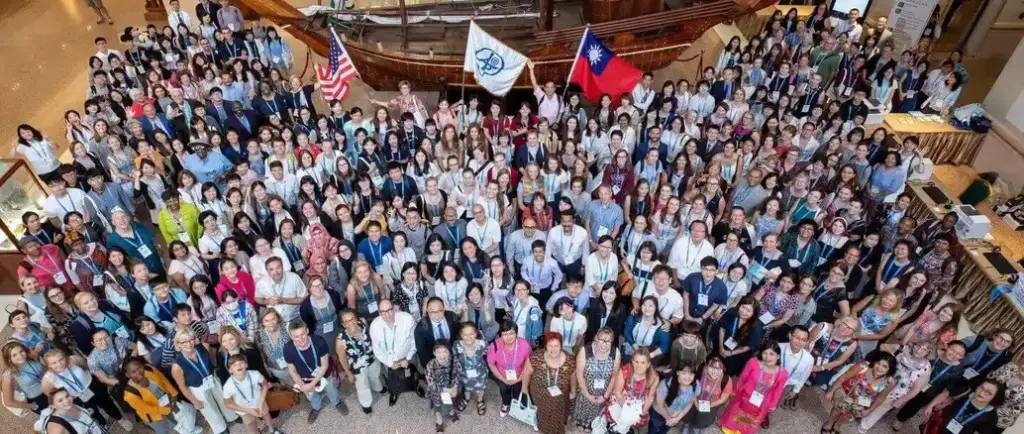
The 31st World Congress of the IALP welcomed around 1,000 attendees from across the globe in Taipei.
Board members met in Malta, where IALP was newly registered  with its new name: International Association of Communication Sciences and Disorders (d/b/a IALP).
Up to 1,000 registrants from across the globe attended the 32nd World Congress in Auckland which was postponed by one year due to the pandemic.
In Celebration of the Centennial of IALP a special Composium was held in Vienna – where the historic timeline began …
We understand that cultivating a diverse, equitable, and inclusive culture is essential to realizing our vision and mission to facilitate better understanding, knowledge and care of all people with communication and swallowing disorders, and enable us to take action to create lasting change.
We value diversity and celebrate the contributions of people of all backgrounds, across age, ethnicity, race, national origin, ability, learning style, religion, socioeconomic status, culture, marital status, languages spoken, sex, sexual orientation, and gender identity as well as differences in thoughts and ideas.
Recognizing that individuals from some groups have historically experienced barriers to service and participation, we are committed to advancing equity in all aspects of IALP.
We believe that all people hold visible and invisible qualities that inherently make them unique, and we strive to create an inclusive culture where each person knows they are valued and belong.
We are committed to being honest and transparent about where we are in our DEI journey as an organization, and to continuing to learn and do better.
IALP is a non-profit, non-political and nongovernmental global organization.
The work of the organization is primarily accomplished by its members who volunteer their time and talents on the IALP Board of Directors and IALP’s 14 Standing Committees, with operational support and guidance from the IALP Chief Executive Officer (CEO) and additional part-time or consulting staff as needed.
| Executive Committee | |
|---|---|
| President | Tamer Abou-Elsaad, Egypt |
| President-Elect | Kamini Gadhok, United Kingdom |
| Past President | Brian B. Shulman, USA |
| Vice-President for Communication | Dora Knežević, Croatia |
| Vice-President for Finance | Arlene A. Pietranton, USA |
| Vice-President for Education | Fernanda Dreux, Brasil |
| Vice-President for Membership and Partnerships | Debbie Phyland, Australia |
| CEO | Vanessa Ebejer |
Executive Committee
President
Tamer Abou-Elsaad, Egypt
President-Elect
Kamini Gadhok, United Kingdom
Past President
Brian B. Shulman, USA
Vice-President for Communication
Dora Knežević, Croatia
Vice-President for Finance
Arlene A. Pietranton, USA
Vice-President for Education
Fernanda Dreux, Brasil
Vice-President for Membership and Partnerships
Debbie Phyland, Australia
CEO
Vanessa Ebejer
| Aphasia Committee | Annette Rotherham, New Zealand |
| Audiology Committee | Mridula Sharma, Australia |
| Augmentative and Alternative Communication Committee | Sally Clendon, New Zealand |
| Neurodiversity Committee | Grace Hao, USA |
| Child Language Committee | Sharon Moonsamy, South Africa |
| Child Speech Committee | Helen Grech, Malta |
| Cleft Palate Committee | Valerie J. Pereira, Hong Kong |
| Dysphagia Committee | Mershen Pillay, South Africa |
| Fluency Committee | Thomas Law, Hong Kong |
| Motor Speech Committee | Min New Wong, Hong Kong |
| Multilingual and Multicultural Affairs Committee | Lemmietta McNeilly, USA |
| Phoniatrics Committee | Ilter Denizoglu, Turkey |
| Speech-Language Therapy and Audiology Education Committee | Tommie Robinson, USA |
| Voice Committee | Estella Pui Man Ma, Hong Kong |
| Representative of the Large Affiliated Societies | Kathryn McKinley, Australia |
| Representative of the Medium Affiliated Societies | Maria Christopoulou, Cyprus |
| Representative of the Small Affiliated Societies | Cristina Politi Ghemoulet, Greece |
Aphasia Committee
Annette Rotherham, New Zealand
Audiology Committee
Mridula Sharma, Australia
Augmentative and Alternative Communication Committee
Sally Clendon, New Zealand
Neurodiversity Committee
Grace Hao, USA
Child Language Committee
Sharon Moonsamy, South Africa
Child Speech Committee
Helen Grech, Malta
Cleft Palate Committee
Valerie J. Pereira, Hong Kong
Dysphagia Committee
Mershen Pillay, South Africa
Fluency Committee
Thomas Law, Hong Kong
Motor Speech Committee
Min New Wong, Hong Kong
Multilingual and Multicultural Affairs Committee
Lemmietta McNeilly, USA
Phoniatrics Committee
Ilter Denizoglu, Turkey
Speech-Language Therapy and Audiology Education Committee
Tommie Robinson, USA
Voice Committee
Estella Pui Man Ma, Hong Kong
Representative of the Large Affiliated Societies
Kathryn McKinley, Australia
Representative of the Medium Affiliated Societies
Maria Christopoulou, Cyprus
Representative of the Small Affiliated Societies
Cristina Politi Ghemoulet, Greece
IALP welcomes all Logopedists, Speech-Language Therapists/Pathologists, Audiologists, Clinical Linguists, ENTs and Phoniatricians worldwide who are engaged in the study, prevention, identification, and treatment of communication and related disorders and organizations comprised of individuals from those professions from all countries to apply for membership.